
City communications teams carry a heavy responsibility when an emergency strikes and emergency alerts are needed. Residents look to local government for fast, accurate, and actionable information. A well-planned alerting strategy helps ensure the right message reaches the right people at the right time, through channels they already use. These best practices apply to alert originators, managers, system administrators, system operators, and emergency managers from government and non-government organizations alike.
Effective emergency communications do not happen by accident. They require clear goals, a defined audience, and a coordinated plan that brings multiple channels together. When every part of the system works together, cities can shorten response times, reduce confusion, and build lasting public trust.
Make Your Municipal Website the Source of Truth
Every emergency communications strategy needs an always-on channel, and the municipal website should serve as the central source of truth. While social media posts and text messages come and go, the city website gives residents one stable place to verify information. During an incident, residents will search for official guidance, so the website must be easy to find, fast to load, and simple to navigate.
City staff should update the website early and often during an emergency. A prominent alert bar near the top of the homepage can direct visitors to the latest news, evacuation zones, shelter locations, or road closures. Because the website is always on, it can support every other channel by linking back to the full details behind a short alert.
Layer in Push Channels for Speed and Reach
An always-on website is essential, but cities cannot wait for residents to come to them. Push channels, such as mass notification tools, allow emergency managers to send alerts directly to phones, email inboxes, and other connected devices. These tools help cities reach people quickly with time-sensitive instructions.
Residents also rely on a mix of familiar sources during a crisis. Weather apps on computers and phones can automatically deliver severe weather warnings. Local television and radio stations provide continuous coverage for people who may not have internet access. Enabling alerts on mobile phones ensures that critical messages appear even when a resident is not actively seeking information.
For best results, cities should encourage residents to sign up for official notification systems in advance. When residents opt in before an emergency, they have already chosen their preferred contact methods, which reduces friction during a stressful moment.
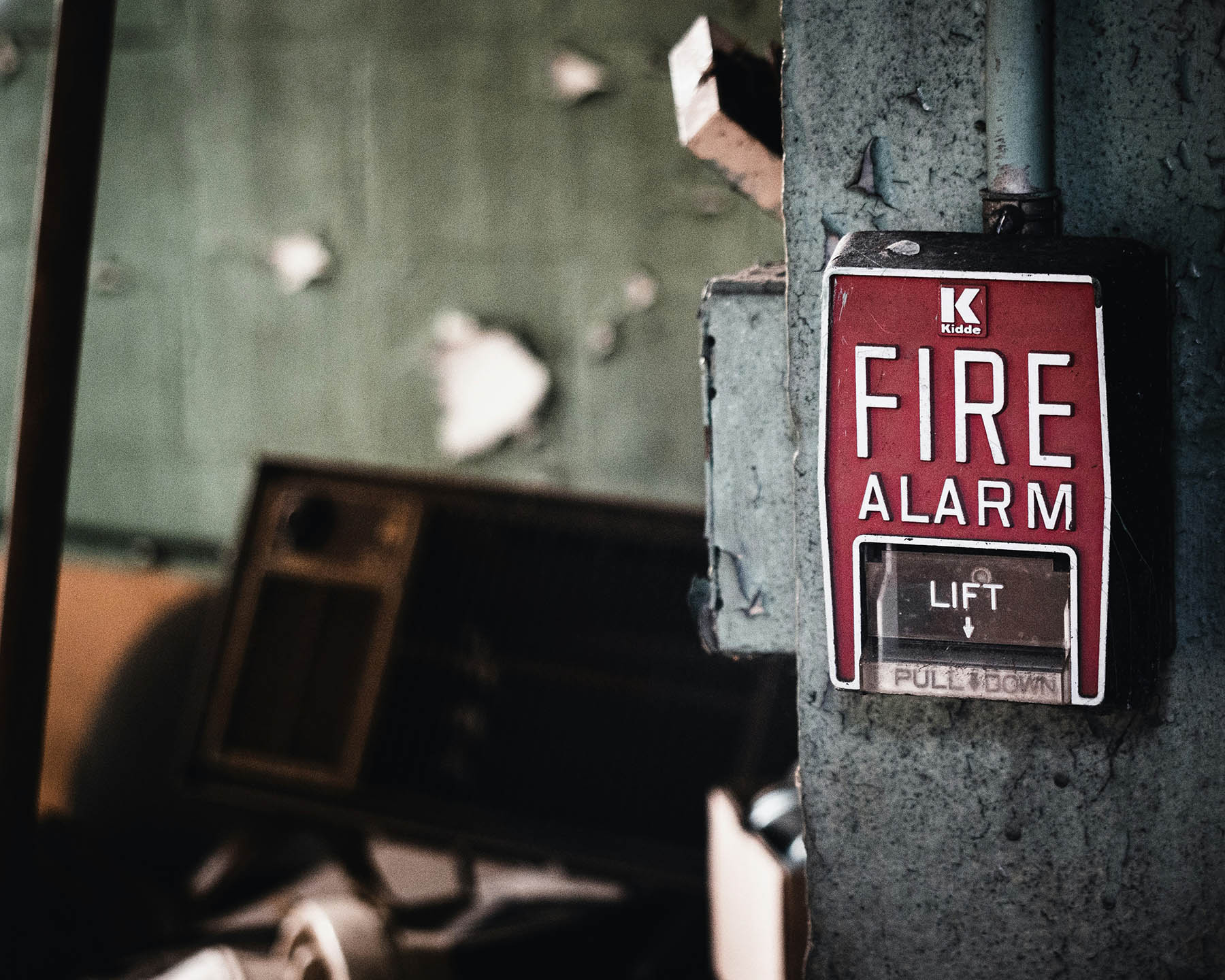
Write Alerts That People Can Act On
The wording of an alert can determine whether a resident takes the right action. Short and straightforward messages work best. Emergency alerts should avoid long explanations and unnecessary detail. Instead, they should state what is happening, what the resident should do, and where to find more information.
Actionable messaging is just as important. A message that asks residents to evacuate, shelter in place, or boil water gives them a clear next step. Alert writers should also build a library of scenarios and pre-approved message templates. When a crisis begins, staff can pull a prepared template, fill in the specifics, and send it without delay. This practice reduces the chance of errors under pressure and keeps messaging consistent across incidents.
Reach Every Resident with Inclusive Alerting
An alert only works if the intended audience can understand it. Research on emergency alerts has identified barriers to inclusive alerting for people with Limited English Proficiency, or LEP, and for people with auditory and visual disabilities. Cities must consider these audiences when designing their communications plans.
Inclusive alerting starts with offering alerts in the languages spoken by the community. It also means providing accessible formats for residents with disabilities, such as text alternatives for audio alerts and visual options for people who cannot hear sirens or broadcast messages. By removing these barriers, cities ensure that alerts do not leave vulnerable residents behind.
Accessibility should extend to every channel, including the municipal website. A city website that follows recognized accessibility standards gives residents with disabilities the same access to emergency information as everyone else. This includes readable fonts, clear contrast, captioned video, and compatibility with assistive technology.
Test Your System with Regular Drills and Exercises
A well-written alert matters little if the technology fails during an actual event. Regular drills and exercises prepare city staff to respond under pressure. Communications directors can use mass notification software to facilitate simulated emergency scenarios, allowing the team to practice sending alerts, evaluating messages, and refining workflows.
These exercises do more than test technology. They also reveal gaps in staffing, decision-making, and coordination between departments. After each drill, the team should review what went well and what needs improvement. The goal is continuous readiness, so that when a real emergency occurs, the alerting process runs as smoothly as possible.
Build Redundancy Into Every Communication
Redundancy is a core principle of emergency communication. It ensures that messages are still delivered if one channel fails or if some residents cannot access a particular platform. Best practices for emergency communication involve establishing redundancy and using clear messaging, because redundancy ensures that residents receive information even when a single method is unavailable.
A layered approach might combine the municipal website, mass notification texts, social media posts, local radio, and outdoor warning sirens. Each channel reaches a different segment of the population, and together they reinforce the same message. Clear, consistent wording across all channels prevents confusion and helps residents trust what they hear.
Residents also play a part in reducing demand on emergency systems. The FCC and FEMA encourage the public to call 911 only for emergencies, to limit non-emergency phone calls, and to try texting in non-emergency situations. When residents follow these tips, emergency call centers stay available for the people who need them most. Adjusting cell phone settings to conserve battery can also help residents stay connected during extended outages.
Define Your Goals and Know Your Audience
Before sending a single alert, every city should define its emergency communications goals. What is the message trying to accomplish? Is the city asking residents to evacuate, to avoid a specific area, or to take a protective action? Clear goals make every other decision easier, from choosing the right channel to selecting the right wording.
Identifying the audience is equally important. Different emergencies affect different parts of the community, and alerts should be targeted accordingly. A water utility issue may require a different audience than a storm evacuation. Cities that segment their notification lists by location, language preference, and special needs can send more relevant messages without overwhelming residents with alerts that do not apply to them.
Make Emergency Communications Part of Everyday Practice
Emergency communications should not be an afterthought that comes together only during a crisis. The most prepared cities integrate alerting into their regular communications routines. They keep contact lists current, update message templates as situations change, and maintain the technology that powers their notifications.
This same approach applies to the municipal website. A modern city website should make it easy for staff to publish emergency news quickly and for residents to find it. When the website is well maintained and simple to manage, it becomes a reliable tool during both routine announcements and urgent situations. Strong alerting fundamentals, supported by the right tools and consistent practice, help cities protect their communities when every minute counts.
Frequently Asked Questions
What is the most reliable channel for emergency alerts?
The municipal website should serve as the central source of truth because it is always on and under the city’s control. Mass notification tools, local media, and mobile emergency alerts add speed and reach. Using multiple channels together gives residents several ways to receive the same information.
How should cities write emergency messages?
Emergency alerts should be short, clear, and action-oriented. The message should state what is happening and exactly what the resident should do next. Cities should build a library of scenario-based templates so staff can send consistent, accurate alerts quickly during a crisis.
Why is accessibility important in emergency alerting?
Barriers to inclusive alerting can leave out residents with Limited English Proficiency and those with auditory or visual disabilities. Accessible alerts, including translated messages and alternative formats, help ensure that every resident can understand and act on emergency information. City websites should also meet accessibility standards so all residents can access the full details.
How often should cities test their emergency alerting systems?
Regular drills and exercises are a recommended part of emergency preparedness. Running simulated scenarios with mass notification tools helps staff practice their workflows and identify weaknesses before a real event. The specific schedule should align with the city’s broader emergency management plan.
